Have you ever noticed that two chairs that look nearly identical can have wildly different price tags? One might cost $200, another $2,000, and sometimes even $10,000 or more. So where does all that extra money actually go? More importantly, which upgrades are genuine investments—and which are just clever ways to separate you from your wallet?
This chair‑buying guide breaks down exactly what you pay for when you buy a chair. Our goal is to help you spot real value and steer clear of pure marketing hype.This office chair buying guide is based on our 20 years of experience manufacturing chairs for global buyers.
Part One: Where Does Your Money Actually Go?
When two sofas or chairs look almost the same but differ wildly in price, the answer almost always lies beneath the surface. In fact, the real cost drivers are three things you can’t see from the showroom floor: the frame, the foam, and the fabric . Let’s start with the frame.
1. Frame Quality — What This Office Chair Buying Guide Tells You to Check
Think of the frame as the backbone of any chair: it hides beneath the upholstery, yet ultimately determines whether your chair lasts three years or thirty.
What’s worth paying for:
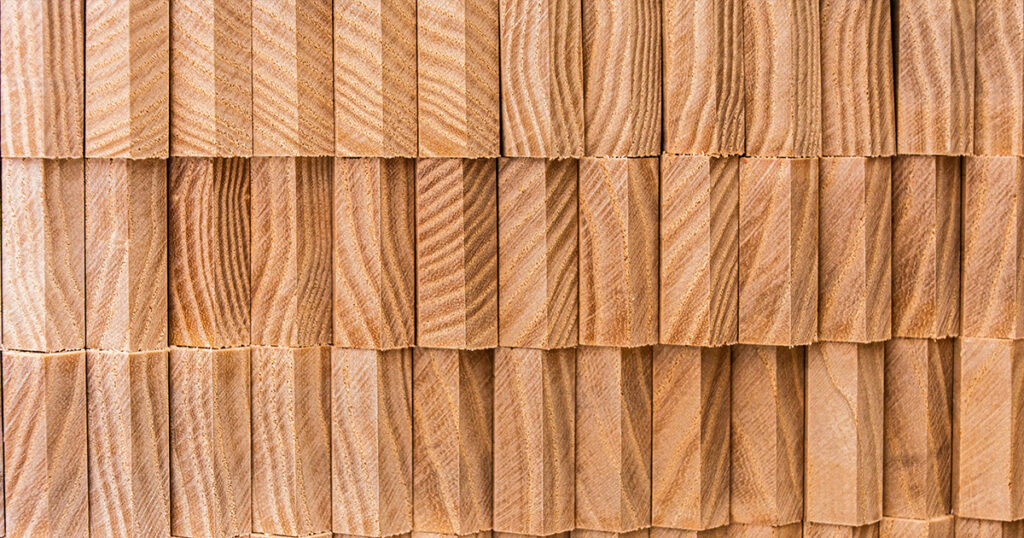
Solid hardwood (oak, maple, beech, alder, or poplar). Kiln-drying prevents warping. In normal home use, it typically lasts 20 to 40 years.
What’s a waste of money:
First, Particleboard and MDF frames are less durable than solid hardwood. They are especially vulnerable to moisture and heavy use.
In dry indoor conditions, they can still last 10–15 years. However, they are more prone to warping, screw loosening, and edge chipping over time.
Their real lifespan depends on board density, edge sealing, and construction quality.Similarly, softwood frames (pine or Douglas fir) are a poor long‑term choice for the same reasons.
The bottom line: A cheap frame is the fastest route to a chair that wobbles, creaks, and eventually collapses. In other words, money saved on the frame is money you’ll ultimately spend replacing the whole chair.
2. Foam Density — A Key Factor in This Office Chair Buying Guide
The foam in your seat cushion is what makes sitting feel like a pleasure—or a punishment. Importantly, not all foam is created equal.
What’s worth paying for:
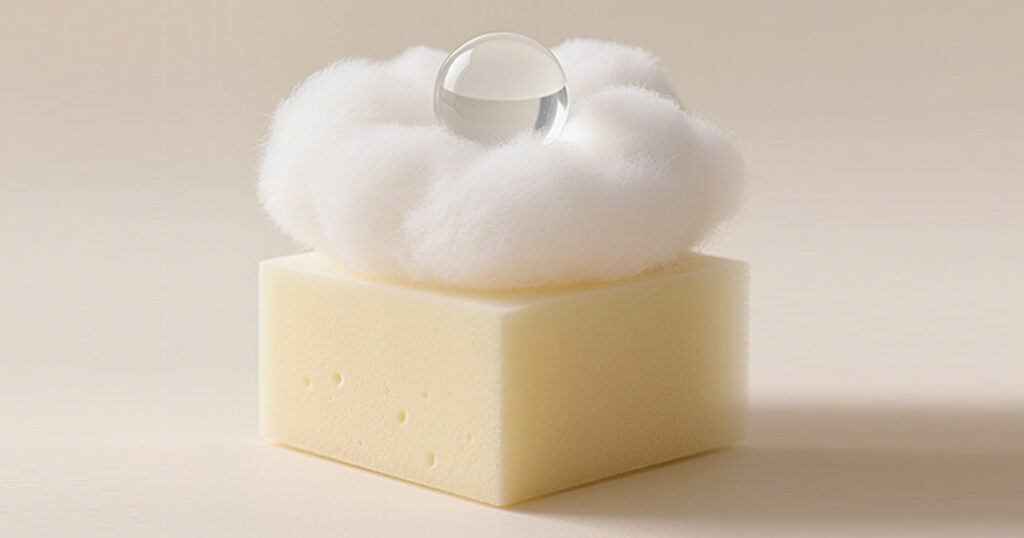
High‑density virgin foam – it has a uniform composition, contains no adhesives, and has no unpleasant odors. Density is measured in pounds per cubic foot (PCF) or kg/m³. The international standard for high‑density foam? 45kg/m³ or higher. This quality typically lasts 6–10 years in residential use. Meanwhile, high‑resiliency (HR) foam – it rebounds quickly, retains its shape, and provides consistent support over years of use. Moreover, commercial‑grade HR foam (2.5–3.0+ PCF) can last 8–15+ years—clearly a smarter long‑term investment.
What’s a waste of money:
Recycled foam / bonded foam, sometimes known as 再生棉. This is made from shredded foam scraps glued together. It costs about half as much as virgin foam, but it has terrible elasticity and collapses quickly. For instance,Low‑grade recycled foam comes from bonded scraps. It loses resilience faster than virgin foam.
For example, many budget cushions sag noticeably within 1 to 2 years of daily use.
That said, not all recycled foam is bad. Some high‑density versions perform well.
So here is a practical tip: ask the seller for the density (kg/m³). Also ask for independent compression‑test data. Worse still, some manufacturers even “put a layer of virgin foam on top and recycled foam underneath—customers never know unless they tear the cushion open.” Similarly, low‑density foam (1.0–1.4 PCF) – it feels soft at first, but it collapses, becomes lumpy, and loses comfort within a year or two. This is the hidden reason why bargain furniture stops being comfortable so quickly.
The bottom line: When your cushion flattens, the whole chair is effectively ruined. Skimping on foam is the most false economy in furniture buying.
3. Fabric Quality — What to Look for in This Office Chair Buying Guide
Fabric is where price differences are most visible, and the gap between quality and junk is widest.
What’s worth paying for:
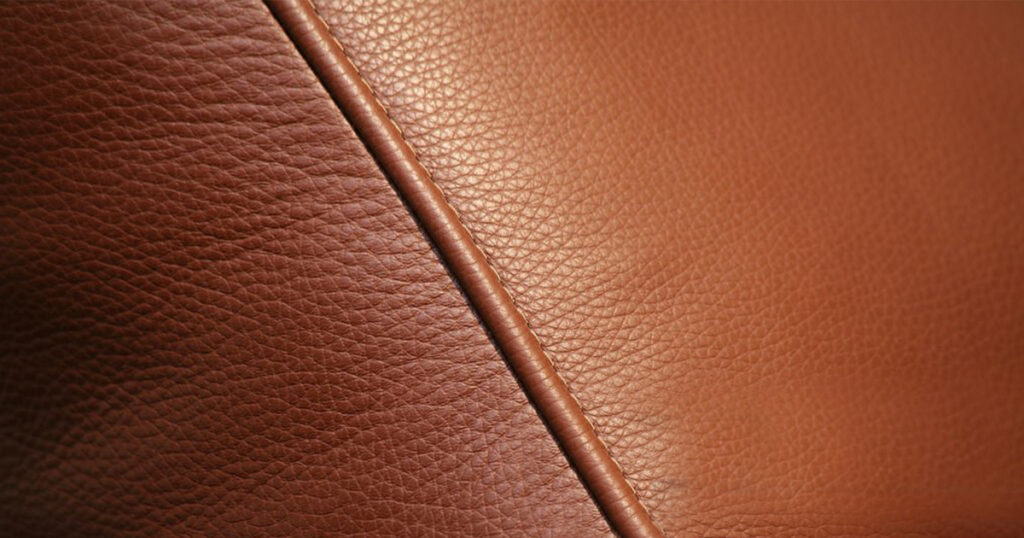
Full‑aniline leather has the most natural feel, while semi‑aniline adds a light protective coat. Meanwhile, finished/pigmented leather is the most durable and easiest to clean.Beyond leather, quality performance fabrics – they are breathable, durable, and available in a wide range of colours and textures.
What’s a waste of money:
First, bonded leather – made from leather scraps fused with adhesives. It looks like leather at first, but it peels and cracks within a few years and cannot be repaired. It’s simply the lowest‑grade option and doesn’t last. Second, heavily corrected top‑grain leather – this leather has been sanded, embossed, and coated to hide imperfections. Think of it as “wearing heavy makeup,” because it looks good for about 3 years before the coating starts to fail. Third, PU leather / faux leather – which costs $20–55 per metre and starts cracking within 2–3 years. Finally, Instagram‑worthy “statement chairs” – designed for photos, not for sitting. Consequently, they offer poor lumbar support, uncomfortable seats, and zero ergonomics.
The bottom line: Good leather gets better with age, while cheap leather gets worse—and fast. That’s the difference in a nutshell.
4. Motors (For Power Recliners): The Heart of the Machine
If you’re buying a power recliner, the motor is its engine. This is one area where you absolutely do not want to cut corners.
What’s worth paying for:
Brand‑name motors from companies like OKIN (Germany) and Nidec (Japan). These are industry gold standards, operating at ≤45 decibels (whisper‑quiet) and running smoothly. They typically last 8–10 years. What’s more, their reliability is why medical equipment manufacturers also rely on OKIN motors, as do high‑end home‑theatre seating.
What’s a waste of money:
Generic no‑name motors – these often fail within a year, with issues like noise, sticking, or complete failure. As one retailer put it, “Low‑quality motors break very frequently—they’re basically unbranded products.”
The bottom line: When the motor dies, your power recliner becomes a very expensive stationary chair. All that extra money you paid for power functionality? Wasted.
Part Two: Which “High-Tech” Features Are Actually Marketing Gimmicks?
Not every premium feature delivers premium value. Consequently, you should approach the following three categories with scepticism.Let’s examine each one.
Fancy “Smart”/AI Features
You’ve seen the ads: AI‑powered chairs that “adapt” to your body, track your posture, and even monitor your heart rate. Sounds impressive. However, What do users actually think? Some say they rarely use the smart functions. Others, however, find posture reminders or automatic adjustments helpful.
In short, individual experiences vary.The so‑called “adaptive” system turned out to be just three preset modes.
That said, the critical question is whether the chair has solid ergonomic fundamentals first. After all, if the basic lumbar support curve isn’t right, no amount of sensors and AI algorithms will fix it. Smart features layered on a bad foundation are just expensive decoration.
The test: Ask yourself if this chair works well as a chair before you even turn on the “smart” features.If a chair fails to provide proper basic ergonomic support, no smart feature can compensate. Smart functions should be considered as optional enhancements, not as the primary reason for purchase. Assess their usefulness based on your own habits.
Next, “Instagram Chairs”
Some chairs are designed to look stunning in photos but are ergonomic nightmares—for example, they offer either no lumbar support or seats so shallow that your thighs hang off the edge.
The test: Remember that chairs are for sitting, not for photographs. Try before you buy, because comfort matters infinitely more than how it looks on your feed.
Finally, Over-Engineered Power Recliners
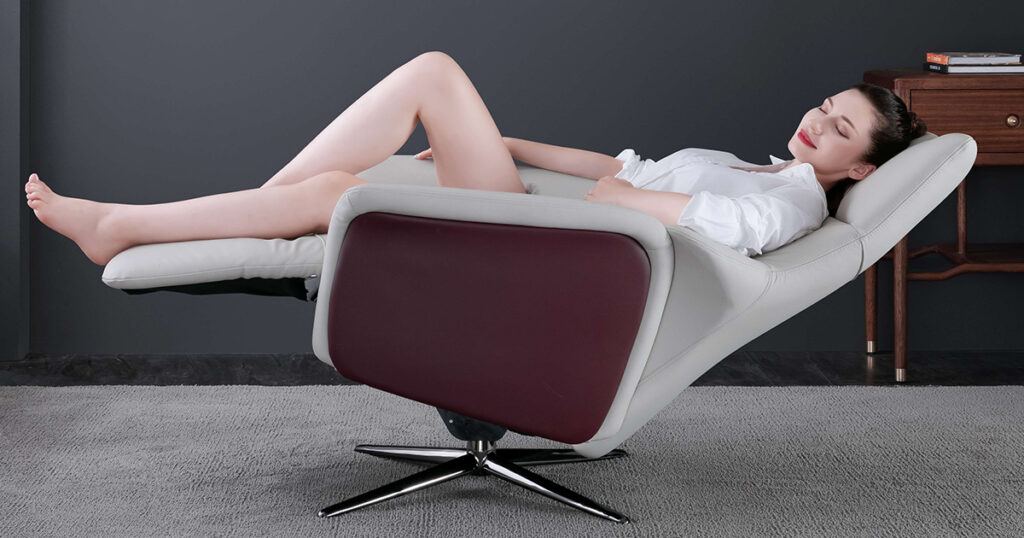
Power recliners come in three flavours: basic (back stays fixed, footrest only), wall‑hugger (reclines fully while staying close to the wall), and full power sofa bed (converts completely flat). Don’t buy the most expensive option just because it exists. Instead, think about how you actually use your space. If you rarely recline all the way, paying extra for full extension—and the floor space it requires—is pure waste.
The test: Buy for what you actually do, not what you might do someday.
Part Three: How to Choose — Practical Advice
Here’s a quick summary of this office chair buying guide — what to prioritize and where to save.
So, where does it pay to spend more? Here’s a quick cheat sheet:
| Component | Why It Matters | What to Ask |
|---|---|---|
| Frame | Determines lifespan | “Is this solid hardwood or engineered wood? Kiln-dried?” |
| Foam | Determines comfort and health | “Is this virgin foam or recycled? What’s the density?” |
| Fabric | Determines feel and durability | “Is this top-grain leather or bonded? What’s the fabric grade?” |
| Motor (if power) | Determines if the function lasts | “What brand is the motor? What’s the warranty?” |
Where You Can Safely Save
- Gimmicky “smart” add-ons you’ll rarely use
- Purely aesthetic choices that compromise comfort
- Features beyond your actual use case , full flat recline when you never lie flat
The Single Most Important Piece of Advice
You must try the chair in person.
Ergonomic chairs aren’t like computer monitors—you can’t just check the specs online and know they fit. You have to sit in them.
When you test a chair, ask yourself three questions:
- Does the lumbar support actually hit my lower back? Is it supportive enough?
- Is the seat wide and deep enough? Do my thighs feel supported or are they hanging off the edge?
- Are the adjustments intuitive and easy to use? Can I fine-tune this chair to my body?
A chair that fails any of these tests is the wrong chair — no matter how good the price tag looks.
Part Four: About Leader Seating
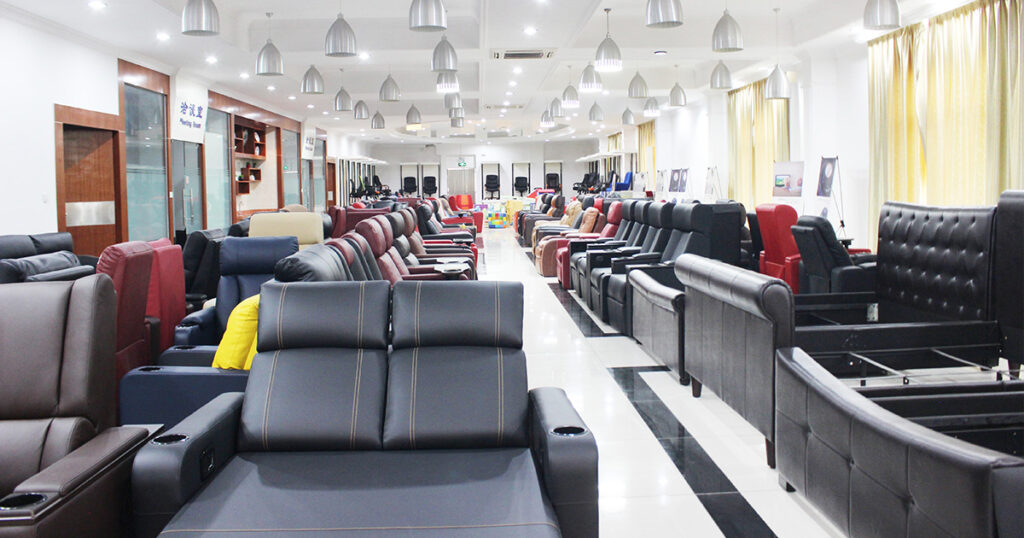
We’ve spent a lot of time talking about what to look for and what to avoid. Now let’s talk about who we are.
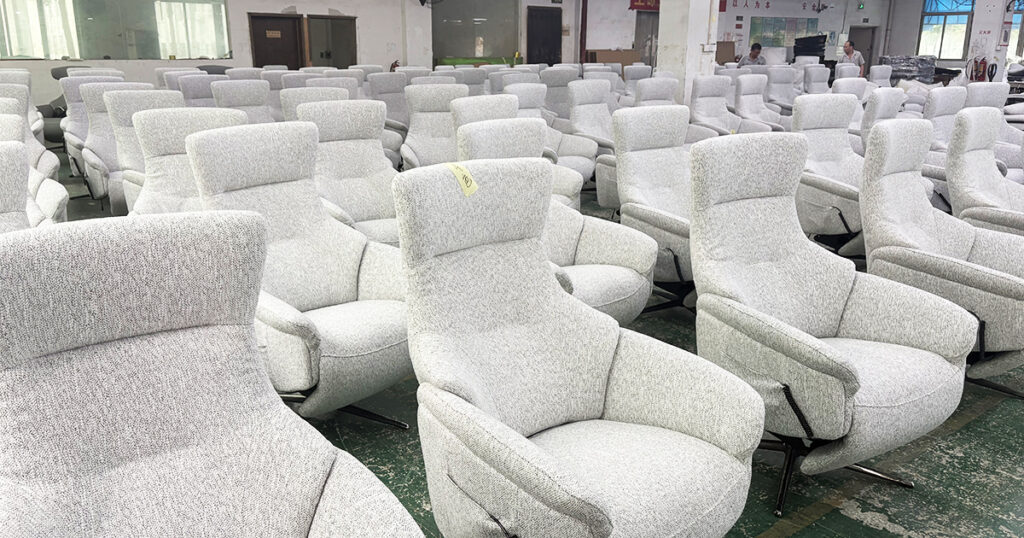
Founded in 2006, Leader Seating now operates a 16,000 m² (172,000 sq ft) self‑owned factory in Dongguan, China. We do everything in‑house—frames, foam, fabric upholstery, assembly—under one roof. And this matters more than you might think.
Here’s what that means for you:
- Frames: We use solid hardwood — not scrap wood, not particleboard, not MDF.
- Foam: We use high-density virgin foam — not recycled foam, not bonded scraps.
- Fabric: We offer genuine top-grain leather and quality performance fabrics — you choose what fits your needs and budget.
- Motors (for power models): We use branded motors from OKIN and other reputable manufacturers — quiet, smooth, and built to last.
Our pricing reflects our choice of solid hardwood frames, high‑density virgin foam, genuine top‑grain leather, and branded motors. We encourage you to compare our specifications and warranty with other products in the same category. We believe quality materials prove their worth over years of use, but we also respect that each buyer has different priorities and budgets.
So, if you’re in the market for a chair, we invite you to visit our showroom and try one for yourself. After all, the only way to know if a chair is worth it is to sit in it.
About Leader Seating
Leader Seating Co., Ltd. is a leading furniture manufacturer based in Dongguan, China, with nearly 20 years of industry experience. We specialise in high‑quality armchairs, sofas, office chairs, and zero‑gravity recliners, serving retail and commercial clients worldwide. From frame to fabric, everything is completed in‑house—because quality starts at the source.